

Start with the fire hazard and the product label, then compare extinguisher types.
Dry Powder (ABC / BC)
Dry chemical extinguishers use a powder agent. In US guidance, multipurpose ABC models cover ordinary combustibles, flammable liquids and energized electrical equipment. Check the individual label: BC and ABC products are not interchangeable.
CO2
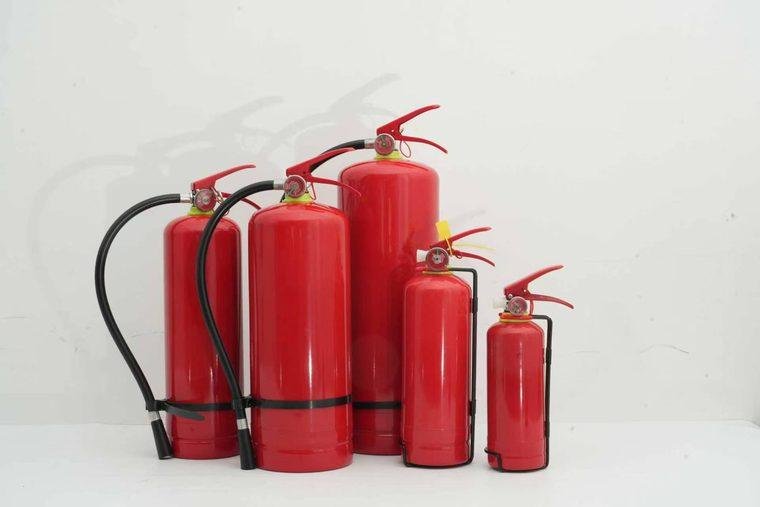
Carbon dioxide extinguishers are used for flammable-liquid and electrical hazards identified on their labels. They are not a general replacement for water on ordinary combustible materials. CO2 can create a serious breathing hazard in confined spaces.
Foam (AFFF / Fluorine-Free)
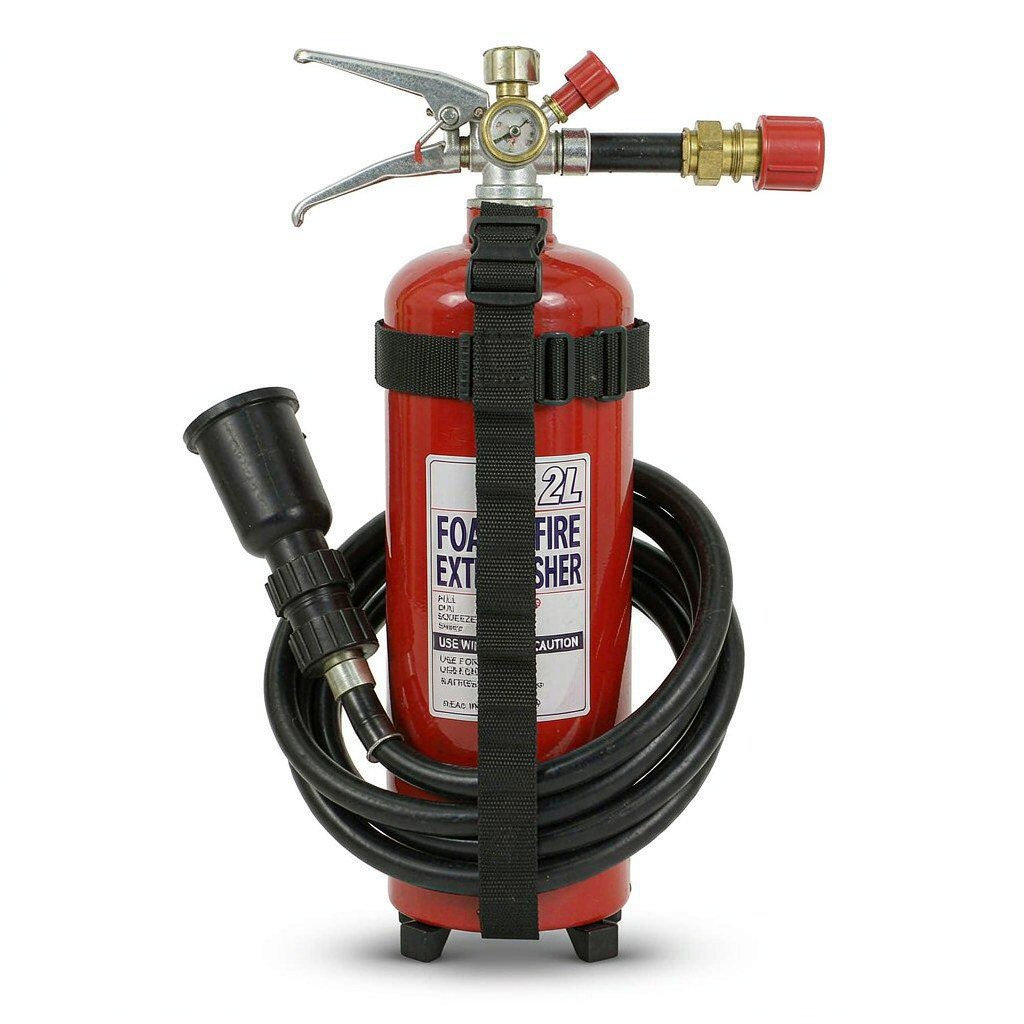
A foam product name alone is not enough to select a unit. Ask for the exact agent, intended fuels, tested fire rating and current product documentation. Do not assume different foam formulations have identical performance or approvals.
Water, Water Mist and Wet Chemical
Conventional water extinguishers are intended for ordinary combustibles; do not use them on energized electrical equipment or flammable-liquid fires. Do not infer electrical suitability from the words “water mist”. Cooking-oil hazards require equipment specifically labeled for that use.
Before Requesting a Quote
- Identify the hazard and destination market.
- Request the exact model label and supporting documents.
- Have a qualified fire-safety professional confirm selection.
The classification examples above follow US guidance. Use the applicable local requirements and manufacturer instructions for your site; this overview is not operating or emergency-response training.
Reference: OSHA — Portable Fire Extinguishers: Extinguisher Basics.